
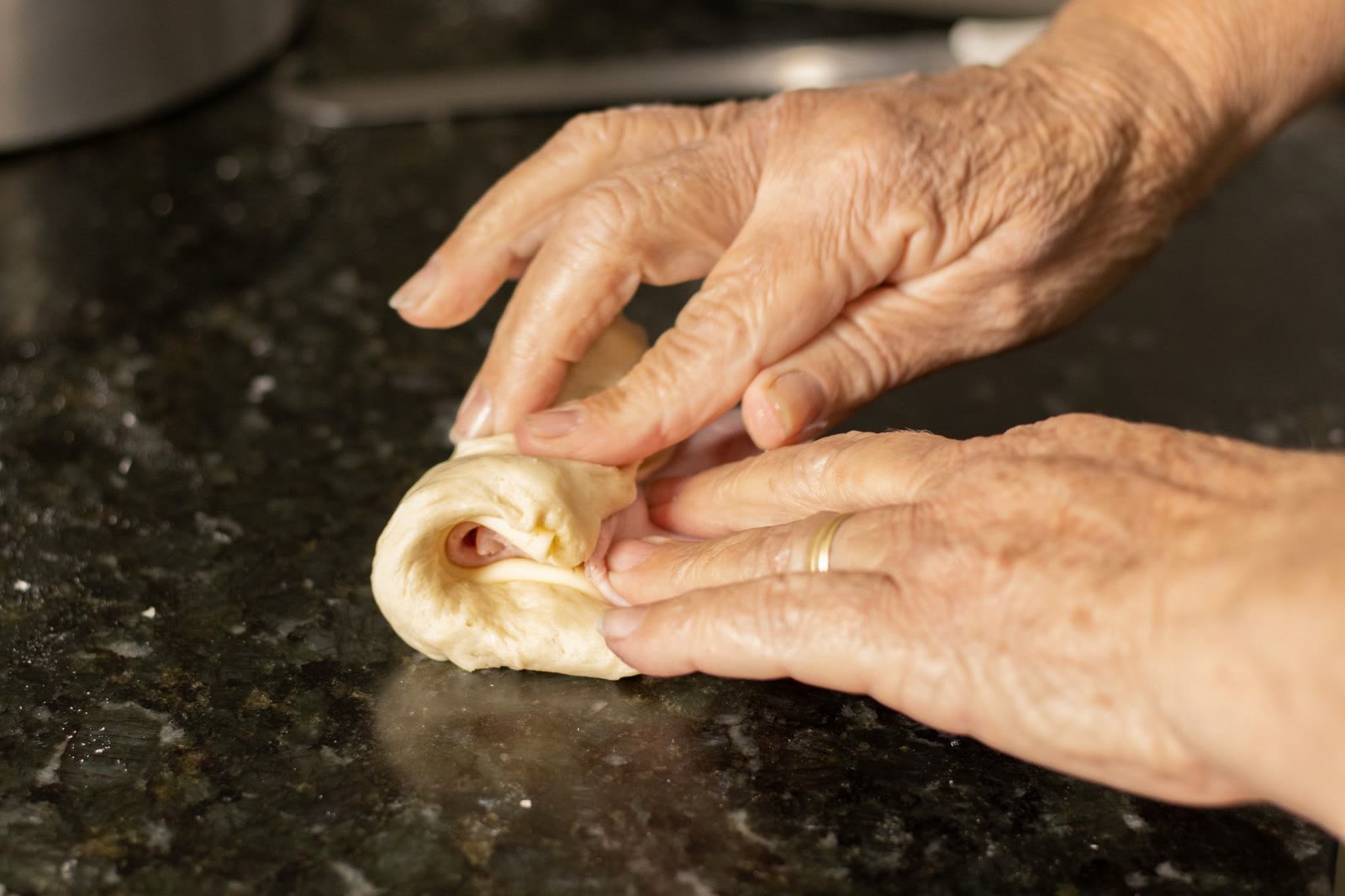
When a parent needs help at home
The warning signs families notice first, how to start the conversation, and what to observe before you arrange care.
Read the guide →
Family resources
Clear, practical guidance for the moments Ontario families often navigate first, noticing when help is needed, bringing a parent home from hospital, comparing care options, preventing falls, and choosing an agency.
The warning signs families notice first, how to start the conversation, and what to observe before you arrange care.
Read the guide →
Prepare for discharge day, settle into the first 72 hours, share family shifts, recognize warning signs, and decide where extra care would help most.
Read the discharge guide →
A printable checklist covering screening, supervision, insurance, care plans, invoices, cancellations, emergencies, dementia experience and references.
Read the agency checklist →
A plain-language comparison of the three options in Ontario, how each is funded, and a decision checklist for families.
Compare the options →
Bathroom, stairs, lighting, rugs, footwear and the night path, plus when to ask for a clinical assessment.
Read the checklist →
What a caregiver may do, what needs a regulated professional, and how to keep documentation clean.
Read the guide →
Why the conversation stalls, small asks that work, and what to do when the answer stays no.
Read the guide →
The line between non-medical personal support and regulated clinical practice, with questions to ask.
Read the guide →
Ice, lighting, heating, hydration and check-ins, a room-by-room and outdoor checklist.
Read the guide →
Recognize night risk, repeated falls and caregiver exhaustion, then compare overnight, 12-hour and live-in structures.
Read the coverage guide →
Access, lighting, supplies, bathroom set-up, pets, building rules and the written brief every substitute needs.
Read the preparation guide →
Divide tasks and costs, include faraway siblings, handle disagreement and keep one shared record.
Read the family guide →
Assess needs from a distance, choose a local contact, prepare a remote consultation and write the plan others will follow.
Read the distance-care guide →
Notice exhaustion, ask for specific help, divide tasks by time and build a weekly plan that protects the caregiver too.
Read the caregiver guide →
Prepare useful notes, understand the written plan and leave the conversation with clearer choices rather than pressure.
Read the consultation guide →
Use predictable routines, clear choices and practical bathroom preparation to support personal care with dignity.
Read the personal care guide →
Build smaller meals into the day, make fluids easier and know when a change should be raised with a doctor.
Read the meal guide →
Balance routines, rest, paperwork and respite while protecting the relationship you built before care began.
Read the spouse guide →
Plan the first weeks home with routines, protected rest, safer transport and support alongside therapy.
Read the stroke guide →
Plan questions about home care after discharge, compare availability and prepare for the first days at home.
Read the guide →
Prepare a respite request, ask about weekend availability and make a plan for any gaps in support.
Read the guide →
Use the same questions to compare home care quotes, proposed visits, extra charges and cancellation terms.
Read the guide →
Ask about missed visits, replacement options, family updates and the details to keep in a shared care plan.
Read the guide →
Prepare questions about caregiver selection, matching, supervision and privacy when comparing home care agencies.
Read the guide →
Discuss a person's preferences, caregiver experience and communication when considering dementia home care.
Read the guide →
Organize questions about public and private home care, schedules, consent and responsibilities in Ontario.
Read the guide →
Alcove Home Care
Free consultation, clear answers, no obligation.