Non-medical home care
Parkinson’s Support at Home in North York
Non-medical Parkinson’s support for North York households, centred on preparation, consistent cues, meals and rest.
North York includes quiet residential streets, busy arterial roads and tall residential buildings. Parkinson’s can make each of those settings feel different. A caregiver’s role is to prepare the next step, allow pauses and preserve the person’s own routine.
A Willowdale condo may involve concierge sign-in, elevator wait time and a long corridor. A Lansing bungalow may have a front step and basement laundry. In Don Mills, garages, curved walkways and split-level stairs can affect the safest sequence.
Support remains non-medical. Caregivers can assist with dressing, meal preparation, movement reminders, appointment company and encouragement for practice supplied by a therapist. Medication handling and treatment decisions stay outside the service.
Appointments near North York General Hospital or clinics close to Sheppard–Yonge Station may take more energy than expected. A caregiver can prepare outerwear, walk beside the person, remain nearby while they wait and support a calm return home.
Key points
- Willowdale towers, Lansing entrances and Don Mills stairs shape local plans.
- Caregivers prepare mobility aids and use consistent household cues.
- Mealtime help follows family directions for texture, portion and pace.
- Relatives can arrange respite for sleep, work or their own appointments.
What daily help looks like
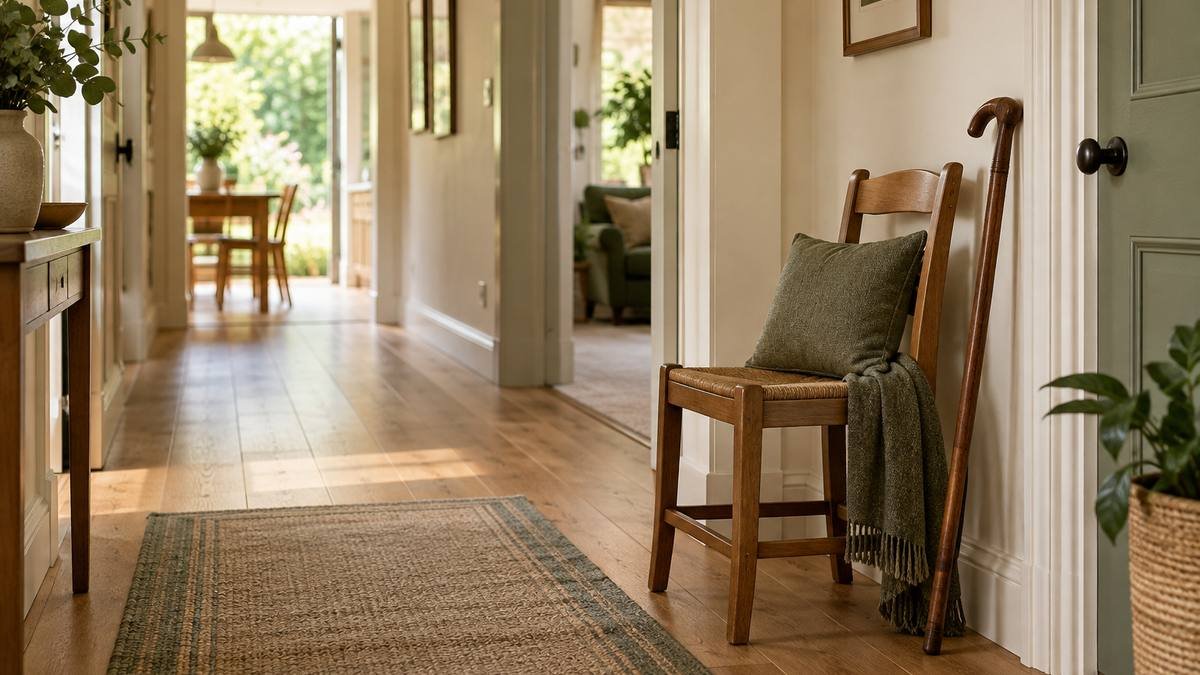
Before movement begins, the caregiver clears the path and places the walker or cane where it can be reached safely. Before breakfast, requested food is prepared and served without rush. Before bed, footwear and clutter are moved away from the bathroom route.
Who may use this service
North York adults living with Parkinson’s may need home support when movement, meals or fatigue become less predictable. A senior in Bayview Village may require a slower morning. A parent in York Mills may need help after appointments. A spouse may need reliable hours for rest.
Adult children often help from another city or workplace. Written notes let them see whether food was accepted, reminders were followed and movement seemed steady. Those observations are useful conversations with the treating team, not a substitute for professional assessment.
Regulated professionals remain responsible for nursing, therapy and treatment decisions. A caregiver reports a fall, swallowing difficulty, extended freezing episode or notable mood change. Emergency services are contacted when the situation requires them.
Planning around North York routines
The consultation reviews the home layout, daily rhythm, equipment, meal preferences and appointment schedule. For a high-rise, it records building procedures and the quietest route. For a house, it checks stair rails, thresholds, lighting and bathroom space.
Cue wording is recorded in the person’s own language. The plan may state a phrase used before standing, a word that helps at a threshold and a cue to avoid. Substitutes follow the same sheet so support feels familiar.
Travel conditions matter. Traffic on Yonge Street, snow near a garage, rain on a pathway or a crowded elevator can unsettle timing. A calmer plan builds in extra minutes and removes nonessential stops.
Meal support stays practical. The caregiver can prepare simple food, cut items when requested, keep the table quiet and offer fluids. Textures and portions come from family or treating-team directions. New difficulty is reported rather than managed by changing professional instructions.
Hours can be arranged around difficult periods. A morning block may cover dressing, breakfast and reminders. A midday visit may support lunch, movement and rest. An evening caregiver can prepare tomorrow and reduce nighttime hazards.
Practice encouragement follows clinician-directed instructions only. The caregiver can protect time and offer steady company, but does not add exercises or claim improvement. If practice appears unusually difficult, relatives and providers receive the observation.
Questions North York families ask
Can North York support include morning and evening routines?
Yes. A morning caregiver can prepare clothing, breakfast and reminders, while an evening visit can clear pathways and set out next-day items. The schedule can also include midday meals or respite. Each block follows the written plan.
How are North York apartment towers included in planning?
The plan records concierge access, elevator use, hallway distance, parking and the safest entrance. It also identifies a place to pause before stairs or doors. Timing can be adjusted when common areas are busy.
What can a caregiver do during freezing episodes at home?
The caregiver follows the cue sheet, gives the person time and keeps the prescribed aid close. They do not pull the person forward. A new, prolonged or concerning episode is reported to family or emergency services as appropriate.
Common questions
Can North York support include morning and evening routines?
Yes. A morning caregiver can prepare clothing, breakfast and reminders, while an evening visit can clear pathways and set out next-day items. The schedule can also include midday meals or respite. Each block follows the written plan.
How are North York apartment towers included in planning?
The plan records concierge access, elevator use, hallway distance, parking and the safest entrance. It also identifies a place to pause before stairs or doors. Timing can be adjusted when common areas are busy.
What can a caregiver do during freezing episodes at home?
The caregiver follows the cue sheet, gives the person time and keeps the prescribed aid close. They do not pull the person forward. A new, prolonged or concerning episode is reported to family or emergency services as appropriate.
Read next: the Parkinson’s support service, North York home care, and our arranging steps.
Guides: PSW responsibilities in Ontario and medication reminders versus administration.
You can review Parkinson Canada information and Ontario home care information, then request a consultation.